March 31, 2026
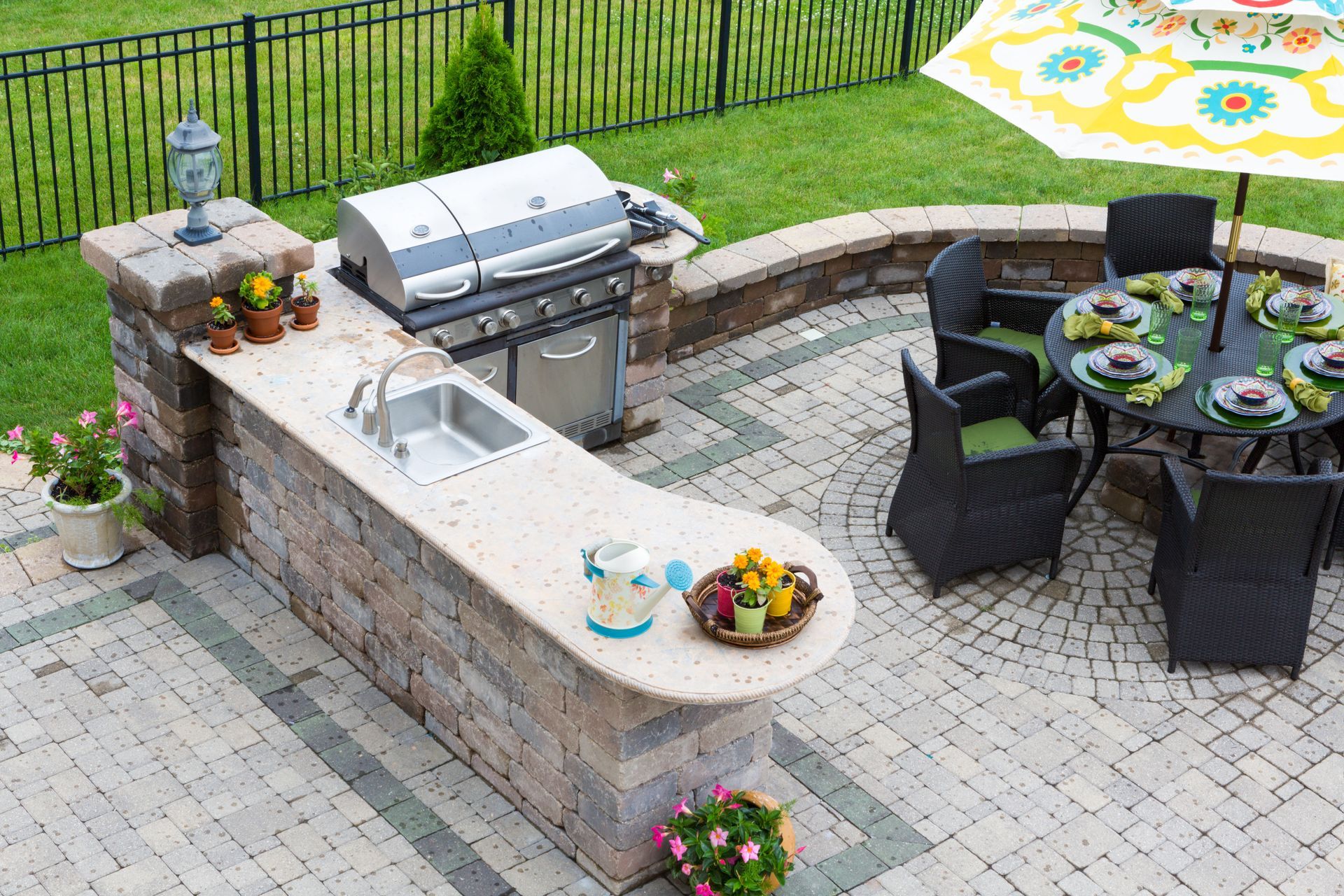
Homeowners are often drawn to the idea of cooking, entertaining, and relaxing in one outdoor space, but a successful project requires more than choosing a grill and adding a countertop. Before construction begins, it helps to think about how the space will be used during ordinary weeknights, larger gatherings, and changing weather conditions. Outdoor kitchens can improve convenience and make a backyard feel more complete, yet they also involve decisions about layout, materials, utilities, maintenance, and safety. Approaching the project with a clear plan can help prevent costly changes later. Homeowners who take time to evaluate their goals, property conditions, and long-term expectations are usually better prepared to create a space that feels practical as well as attractive. A thoughtful design should support cooking efficiency, guest comfort, and routine upkeep without becoming difficult to maintain over time. They should also consider seasonal storage, neighborhood rules, and how often the space will truly be used before committing to a final scope. Thinking through these issues early can also help homeowners avoid unnecessary upgrades that do not improve everyday use.
Evaluating the Best Location
One of the first decisions involves where the kitchen should sit in relation to the house, patio, and yard. A location that feels convenient on paper may become frustrating if it requires constant trips across the yard for ingredients, dishes, or supplies. Homeowners should look for a spot that allows easy movement between the indoor kitchen and the outdoor cooking area while still leaving room for seating, walkways, and conversation zones. Wind direction, sun exposure, and privacy also matter because they affect comfort during cooking and dining. Outdoor kitchens work best when the placement supports both function and atmosphere. A beautiful setup loses value if smoke blows toward guests, the afternoon sun overheats the workspace, or the layout interrupts the normal flow of the yard. Taking time to study how the property is used throughout the day can lead to a more practical and enjoyable installation that supports both convenience and long-term satisfaction.
Planning Utilities and Permit Needs
Many homeowners focus first on finishes and appliances, but utility planning should happen before aesthetic decisions are finalized. Adding gas lines, dedicated electrical service, lighting, refrigeration, sinks, or drainage can significantly affect both design and cost. Permanent projects may also require plan review, permits, and inspections, especially when the work includes electrical, plumbing, gas, or structural elements. Because these requirements vary by location, homeowners should confirm what their municipality expects before construction starts rather than assuming a contractor or retailer will handle every approval automatically. That step can help avoid delays, redesigns, or corrections after work is underway during construction. It can also improve scheduling. Outdoor kitchens are more efficient when the infrastructure is planned at the beginning, since retrofitting utility lines or moving major components later can be expensive and disruptive.
Defining Layout and Workflow
A well-designed cooking area should support movement rather than create obstacles. Homeowners should think about where food will be prepared, where hot items will be set down, and where guests are likely to gather. When those zones overlap too much, the result can feel crowded and inefficient. It is often helpful to separate high-heat cooking equipment from serving or seating areas so that the space remains safer and easier to use during gatherings. Storage also deserves attention because grilling tools, fuel, serving pieces, and cleaning supplies all need a logical home. Outdoor kitchens often look impressive in staged photos, but daily use depends on whether the layout supports a realistic cooking routine. Sufficient landing space near appliances, clear walking paths, and room for more than one person to move comfortably can make the difference between a space that feels polished and one that feels frustrating after the first few uses.
Choosing Materials for Outdoor Use
Material selection should be based on durability as much as appearance. Surfaces that look appealing indoors may not hold up well when exposed to moisture, heat, grease, sunlight, and seasonal temperature changes. Homeowners should think carefully about countertops, cabinetry, flooring, and hardware, especially in climates with freeze-thaw cycles, intense humidity, or strong sun. Low-maintenance finishes can be especially valuable because outdoor cooking areas collect residue, pollen, and dirt more quickly than interior spaces. Outdoor kitchens benefit from materials that resist corrosion, fading, staining, and warping, since repair or replacement can be inconvenient once the installation is complete. It is also wise to think about how the chosen finishes coordinate with the rest of the property. The most successful projects usually feel integrated with the home and landscape rather than appearing like a separate feature that was added without regard for the surrounding architecture.
Reducing Safety Risks and Maintenance Issues
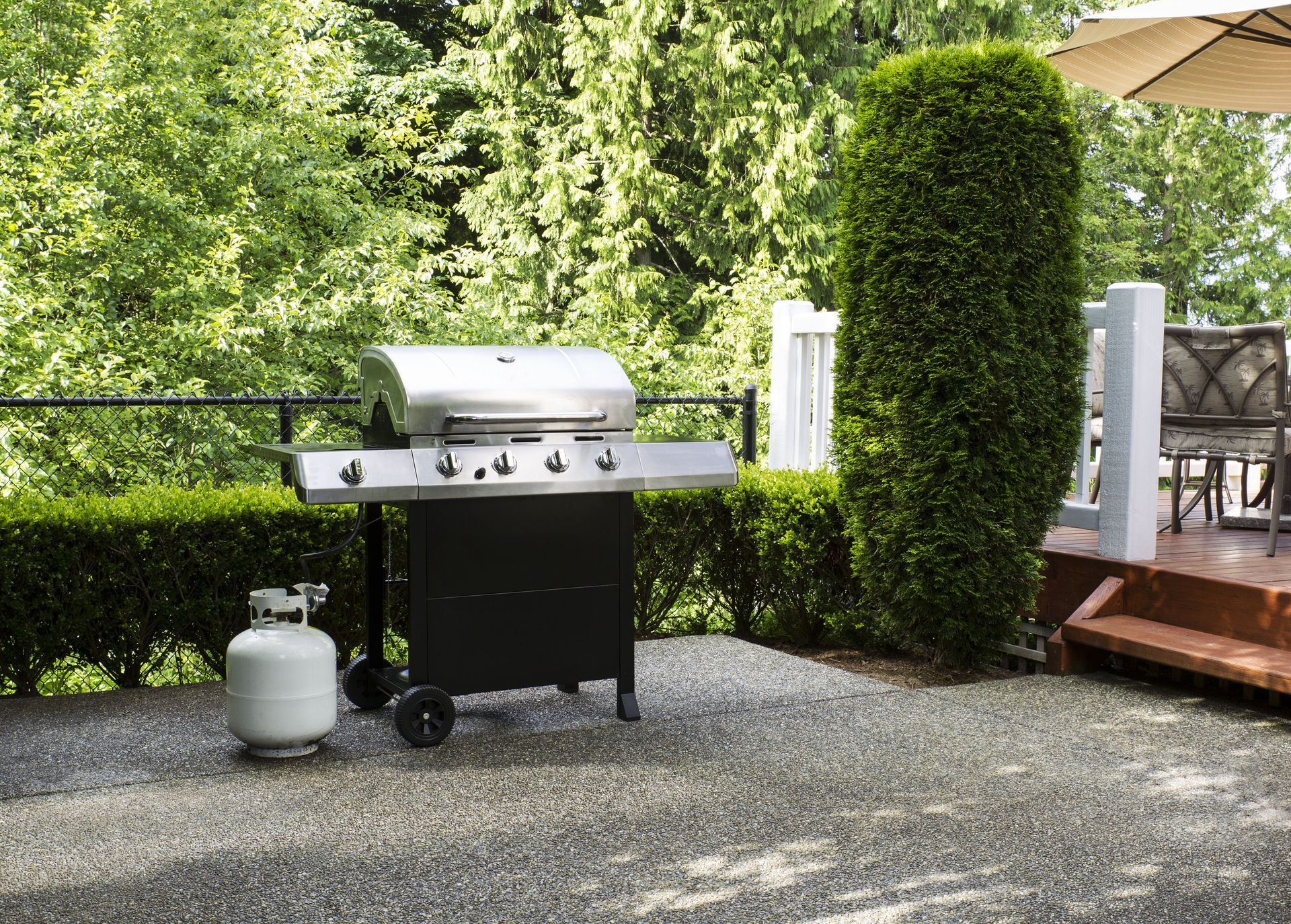
Safety should shape every major decision, from placement to appliance selection. Grills, side burners, and other heat-producing features need adequate clearance from siding, railings, branches, and other combustible surfaces. According to This Old House, an outdoor kitchen grill should be placed at least 10 feet away from combustible items. Homeowners should also consider ventilation, grease management, lighting, and safe storage for fuel or cleaning products. Outdoor kitchens remain more dependable when routine maintenance is part of the plan from the beginning. Easy-to-clean surfaces, weather covers, access to shutoff points, and seasonal inspections can help protect both the investment and the people using it. Taking a proactive approach to upkeep can also extend appliance life and reduce the chance of preventable repairs.
Balancing Budget With Long-Term Value
Costs can rise quickly when a project expands from a grill station to a fully equipped entertainment area, so homeowners should decide early which features are essential and which are optional. A larger budget does not automatically produce a better result if the added elements are rarely used or difficult to maintain. It is often more practical to invest in a strong layout, durable materials, and reliable core appliances before adding specialty upgrades.
Homeowners should also think beyond installation costs and consider ongoing expenses such as fuel, maintenance, weather protection, and future repairs. Outdoor kitchens can add enjoyment and strengthen how a property functions for entertaining, but that value depends on whether the design matches the homeowner’s actual habits. A modest, well-planned setup that is used often may offer more lasting satisfaction than an oversized design that becomes burdensome.
Thoughtful choices at the planning stage usually support better long-term performance.
Designing for Comfort and Daily Enjoyment
Beyond cooking, the space should support the way people gather and spend time together. Shade, seating, lighting, and circulation all influence whether the kitchen feels welcoming on an ordinary evening as well as during a celebration. Homeowners should think about where guests will stand, where children may pass through, and how the space will function after sunset. Comfort features do not need to be elaborate, but they should be intentional. Outdoor kitchens feel more successful when they encourage people to stay, talk, and participate without interfering with the cook’s workspace. It is also useful to think ahead about storage, winter preparation, and how the area will look when it is not in use. A design that balances style, comfort, and practicality is more likely to remain appealing over time. Call Jetmore Fireplace and Barbecue Center today to schedule your outdoor kitchen consultation.